

GadgeteerZA
Website https://gadgeteer.co.za and Mastodon danie10@mastodon.social
- 28 Posts
- 27 Comments



It’s not just ads, but also trackers. Idea is to filter all devices across the house. So far about 20% of all my devices’ DNS queries are blocked ads and trackers (that’s on Linux, Android, iOS, etc). I notice as soon as I hit a news site, things go sky high on the blocking.
But remember, a VPN is not going to filter out DNS ads and trackers - it just routes to a remote point and drops you out there. But yes this is a transparent on-site solution where we spend 98% of our time. Out and about is not covered by this.
Well maybe but that product only covers Windows and Linux desktops so my Macbook, phone, TV, and other devices are not covered. By doing this upstream on my router I have the whole house’s devices covered by one product that I can manage globally. AdGuard is not a VPN product though, for that I have a product which I can enable per device or also on my router for the whole house.
- •
- youtu.be
- •
- 3Y
- •


Well thanks for mentioning that as I saw no mention of that condition nor anything about crypto links in their T&C at https://internxt.com/legal. I agree that I’d be a bit suspicious of both. They only talked about credit for referred members. This is a real pity, as a proper Linux client made it quite attractive.
I see though in the ItsFOSS article they do mention that it is actually 2GB free, which is expanded to 10GB through various things you do: “Internxt offers 2 GB of free cloud storage when you sign up. The free storage can be stretched up to 10 GB by ‘completing challenges’ like downloading its mobile app.”
I did a webpage on some of that at https://gadgeteer.co.za/altsocialmedia/ showing some info on each alternative, and matching it to it’s closest proprietary equivalent, as well as some video links to those which I did a video overview about.
Not saying Element is the best one, but it is probably best known client for Matrix, with clients for desktop, Android and iOS. When I did my video overview of Matrix at https://www.youtube.com/watch?v=3AVsNqH_-9M, I used Element to show it (that may be of use to familiarise your family with what it looks like.
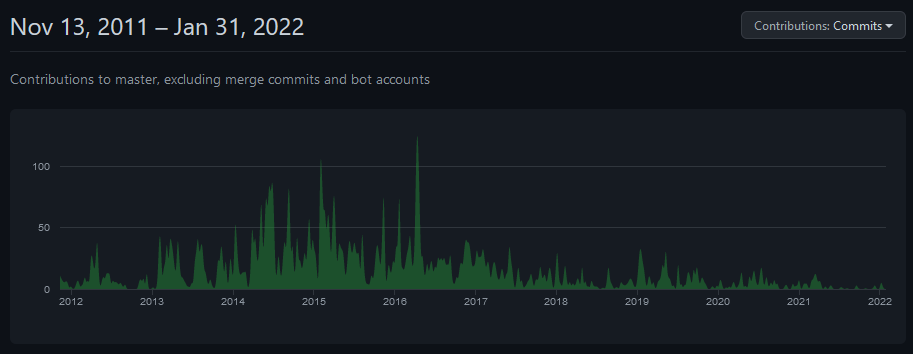




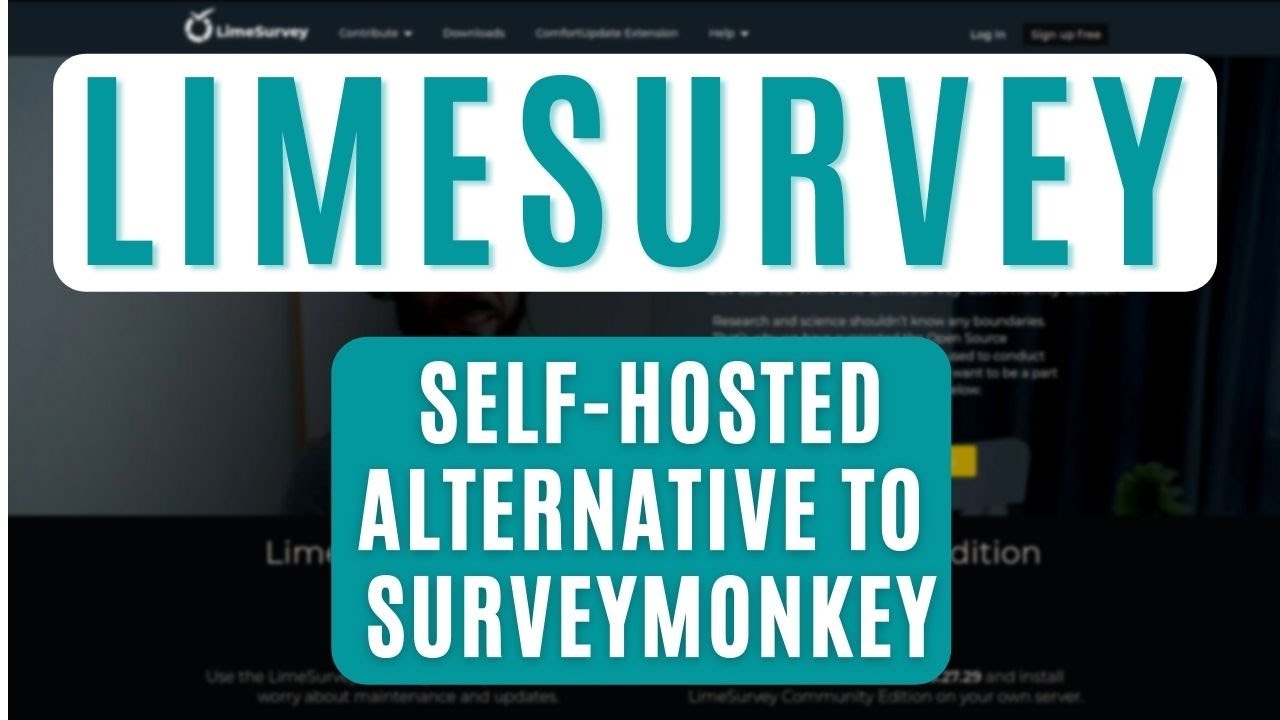
You need to separate the commercial website side from the self-hosted code we can use. I posted about the self-hostable code. You are in control of the settings and can examine the code. As it comes the Google API’s etc are all blank and are options for users to use if they wish or not. Unless there is some evidence that they have embedded some evil tracking in the source code, there is no point to just supposing there is something. I did not see any evidence of trackers in the self-hostable code.
Unfortunately not - that and business platforms like LinkedIn have been difficult to replicate for some reason. The only one I’m aware of is https://github.com/vutuv/vutuv which may be worth looking at. The challenge will be how many people are there as business networks especially rely on networking. But I Must look into it a bit more and also promote it myself.



- •
- dri.es
- •
- 3Y
- •




Wow!!!