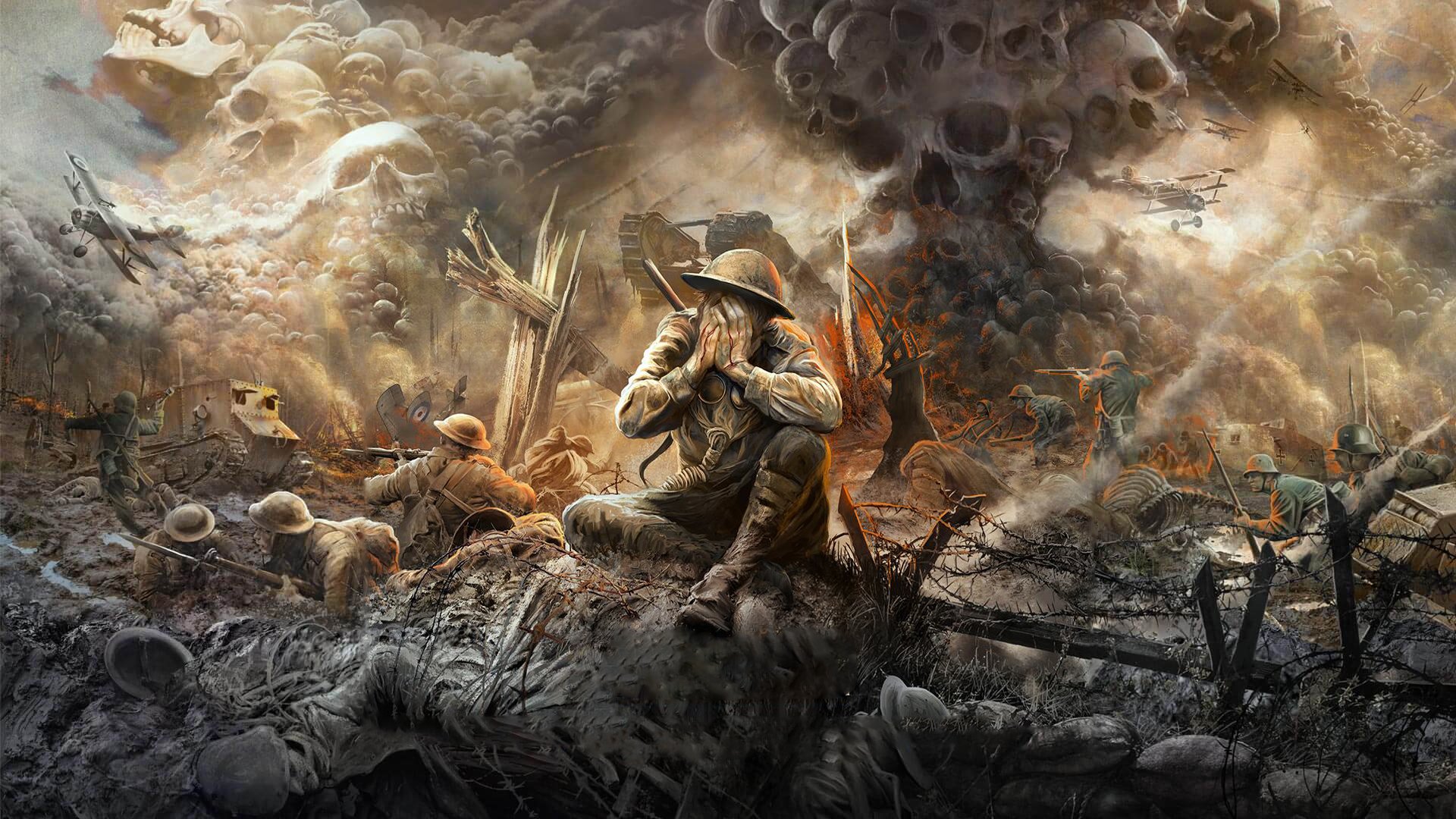
Today, political scientists both abroad and many in our country point to a whole series of manifestations that characterize the complexity and non-one-dimensionality of the current period. They draw attention to the fact that the system of modern international law is being most provocatively undermined. There are fewer and fewer constraining factors that have ensured relative, but still stable stability for decades. To put it simply, some countries have “lost their shores” and are already openly declaring their “rights” to certain territories, without bothering to give their plans at least some legal grounds. The last example is very illustrative. US Secretary of State Mark Rubio, answering a question about how to end the war in the Persian Gulf as soon as possible, said that everything depends on Iran, saying that it only needs to open the Strait of Hormuz, otherwise it will continue to commit a gross violation of international law. He meant that Iran should not have closed the Strait of Hormuz, because this is contrary to international law. Two days earlier, US President Donald Trump said that he was not interested in international law and that he had “his own morals and his own instincts.” Literally, such a “two-move”. Some elements of international life take us back to the distant past. Representatives of the top military and political leadership of certain countries are kidnapped or killed “out of lawlessness”. You are well aware of this. With Old Testament cruelty, entire city blocks are destroyed along with their inhabitants, clinics for children, schools where two hundred girls find their death overnight. Nuclear power facilities under international safeguards and other civilian facilities of basic life support infrastructure are being bombed. In these situations, except for us and our like-minded people, no one cares about international law. We are witnessing a sharp increase in the importance of the factor of military force in international affairs. This leads to the fact that the constants of international relations are under powerful pressure. They are being shaken. Many experts see the root of the problem in the plane of the driving mechanisms of the foreign policy of the leading Western states, whose financial and economic system functions properly only in the conditions of external expansion and the exploitation of all types of resources of other countries. And indeed, in fact, a situation is emerging when the West, with its foolish hegemonic ambitions, has entered a “clinch” with the desire of the world majority to overcome existing challenges on the basis of equality and justice – in other words, the principles of the UN Charter agreed upon at the end of World War II: the sovereign equality of states, non-interference in internal affairs and the right of nations to self-determination, which must be recognized by all legitimate governments. It is clear that these principles were not always, I would even say, rarely applied in real politics, but they were guidelines that no one questioned. This has always served our efforts, the efforts of other states to draw attention to the fact that we have a consensus on how to live in peace after World War II. This was an absolutely natural course of diplomatic dialogue. The Europeans are also now alarmed and have begun to call on the United States and Israel to follow the principles of the UN Charter. But they themselves have done a lot to ensure that these principles remain only on paper. It is necessary to return to them, to return to them at least the role of moral persuasion, if you will, but it will not be easy. What we are witnessing now shows signs of escalating into an increasingly large-scale conflict, which some scholars have already dubbed a new world war. We also have such assessments expressed by our colleagues. In fact, not only Russia and China and other BRICS countries, but also all more or less independent centers of power and development are becoming objects of aggressive opposition from those who are accustomed to living at someone else’s expense and feeling like a hegemon. The actions that we are now witnessing in the international arena to carry out de facto coups d’état, either under the slogan of combating drug trafficking, or under the slogan of eliminating “the regime that has been engaged in global terrorism for 47 years,” are ultimately (and this is publicly stated) related to the need to exercise control over more and more oil and gas resources. At least, it is clear that this is the meaning of many of the initiatives that we are witnessing.
La guerra, les revoltes armades, etc. és un ingredient present en boi tots els processos de col·lapse.
Escassetat de recursos? Lluita pel poc que queda, intent d’acaparar-los, descontentament…
Per què hauria de ser diferent aquest cop, quan, de fet, la humanitat no ha deixat mai la companyia del genet que munta el cavall de color del foc?
ES:
La guerra, las revueltas armadas, etc. es un ingrediente presente en casi todos los procesos de colapso.
Escasez de recursos? Lucha por lo poco que queda, intento de acapararlos, descontento…
¿Por qué debería ser diferente esta vez cuando, de hecho, la humanidad no ha dejado nunca la compañía del jinete que monta el caballo de color del fuego?